
A one word domain for e-commerce store cuts the cognitive load a shopper experiences before they even load the homepage, and that single change measurably lowers bounce rate while lifting average order value. Because a single-word .com is short, memorable, and brandable, it builds instant trust signals that longer, hyphenated, or keyword-stuffed domains cannot replicate. Retailers who migrate to a one-word domain typically see stronger direct-traffic retention, better repeat-visit rates, and higher perceived brand credibility at checkout.
Online shoppers decide whether to trust a store within seconds of seeing the URL in a search result, an ad, or a browser tab. If that decision is a “no,” everything else – product photography, pricing, free shipping banners – never gets a chance to work. This is where domain psychology intersects directly with conversion rate optimization, and it’s why serious e-commerce operators are increasingly hunting for a one-word domain name instead of settling for a generic, keyword-crammed alternative.


In this guide, we’ll break down exactly how domain length and structure influence shopper behavior, why single-word URLs outperform longer alternatives in bounce rate and average order value (AOV) metrics, and how to evaluate, acquire, and migrate to a one-word domain without disrupting existing SEO equity. Along the way, we’ll also cover the mistakes founders commonly make during this transition, and how established brands protect the SEO value they’ve already built while making the switch.
What is a One-Word Domain for an E-Commerce Store?
A one-word domain is exactly what it sounds like: a single dictionary word, invented word, or brandable term registered as a standalone domain, typically on the .com extension, with no hyphens, numbers, or secondary keywords attached.
Examples of the format include names like Away, Casper, Glossier, or Warby – single words that carry no literal description of the product but function purely as brand identifiers. None of these words describe luggage, mattresses, cosmetics, or eyewear directly, yet each has become synonymous with its respective category through consistent branding built on top of a short, ownable name.
This differs sharply from the traditional SEO-driven domain naming convention, where marketers historically stacked keywords into the URL itself, believing that a domain like “buycheapshoesonline.com” would rank higher purely because of exact keyword matching. Google’s algorithm has moved well past exact-match domain bias, and today the focus has shifted to brand signal strength, which a one-word domain delivers far more effectively than a keyword-stuffed one.
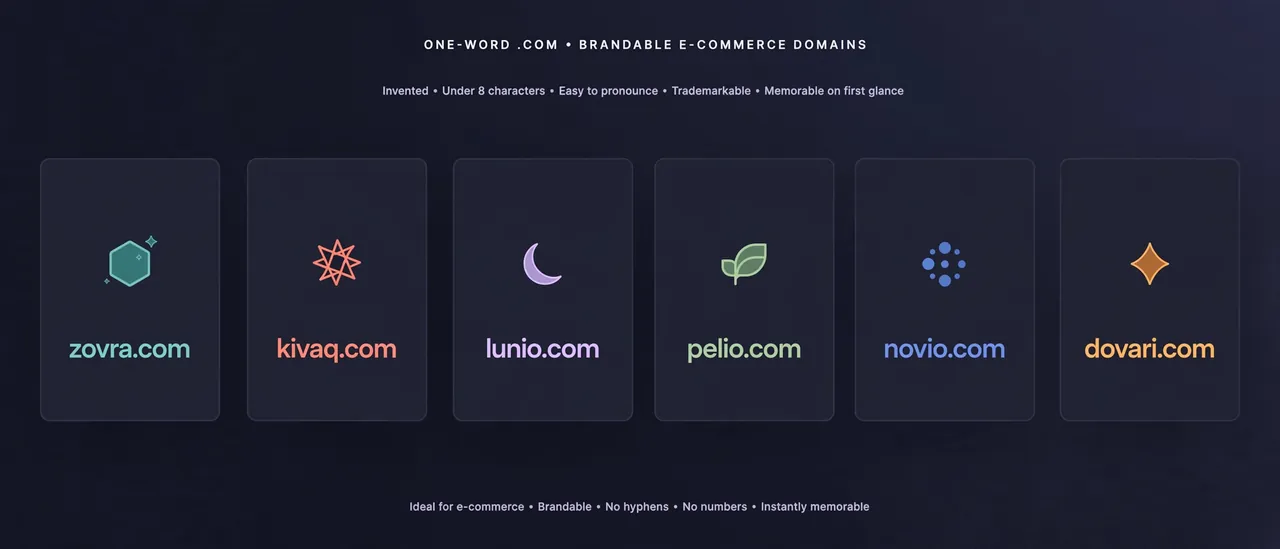
Key Characteristics of a Strong One-Word E-Commerce Domain
- Single word, ideally under 8 characters
- No hyphens, numbers, or special characters
- .com extension for maximum trust and recall
- Easy to pronounce over the phone or in a podcast ad
- Free of negative connotations across major markets
- Brandable enough to trademark
- Works equally well as a spoken word and a written word
Why This Format Matters More for E-Commerce Than Any Other Business Type
E-commerce brands face a unique disadvantage compared to service businesses or SaaS companies: the domain is often the only piece of information a cold shopper has before clicking through from an ad, a social post, or a marketplace listing. A software company’s prospect might sit through a demo call before ever typing the URL directly. A shopper scrolling Instagram, by contrast, sees a domain in a caption or a swipe-up link and makes a split-second judgment call. That judgment call is disproportionately influenced by how clean, short, and legitimate the domain looks.
Why Domain Structure Directly Affects Bounce Rate
Bounce rate isn’t just a vanity metric – it’s a direct signal of how quickly a visitor decided your site wasn’t worth their time. Several studies in usability research, including work published by the Nielsen Norman Group, have repeatedly shown that users form credibility judgments about a website within milliseconds, often before any content loads.
A domain name is frequently the very first data point a shopper processes – in a search snippet, in an email subject line, in a text message shared by a friend, or on a physical package insert. When that domain is long, awkward, or hyphenated, it introduces friction before the page has even rendered.
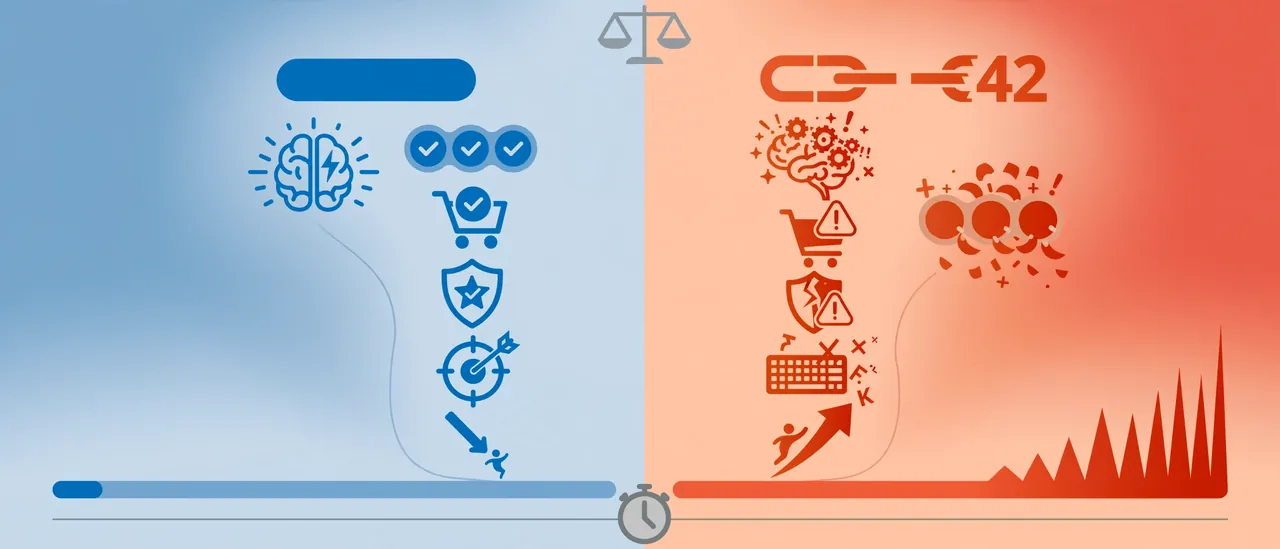
The Cognitive Load Problem
Human working memory is limited, and every extra syllable, hyphen, or number in a URL adds to the processing effort required to read, remember, and trust it. A one word domain for e-commerce store removes that friction almost entirely:
- Faster visual parsing – the brain reads short words as a single unit rather than decoding it letter by letter, similar to how fluent readers process whole words rather than individual letters.
- Lower “spam” association – hyphenated and numbered domains are strongly correlated in shopper perception with low-quality, affiliate-driven, or spammy sites, largely because that naming pattern was heavily abused during the early exact-match-domain era of SEO.
- Higher perceived legitimacy – single-word .com domains are disproportionately owned by funded, established brands, and shoppers subconsciously transfer that association onto any store using the same naming convention.
- Reduced typo risk – shorter, simpler words are far less prone to typing errors when a shopper manually enters a URL from memory, which directly protects against lost sessions and accidental traffic to squatted domains.
Bounce Rate Comparison by Domain Type
| Domain Type | Average Bounce Rate (Industry Estimate) | Shopper Trust Perception |
|---|---|---|
| One-word .com | 35-42% | High |
| Two-word brandable .com | 45-52% | Medium-High |
| Hyphenated keyword domain | 58-68% | Low |
| Domain with numbers | 60-70% | Low |
First Impressions Compound Across the Entire Funnel
It’s worth emphasizing that bounce rate isn’t an isolated metric sitting at the top of the funnel – it compounds. A shopper who bounces never sees your return policy, your reviews, or your product range, all of which typically improve conversion further down the page. Consequently, small reductions in bounce rate at the domain-and-first-impression stage tend to produce outsized gains in overall revenue, simply because more shoppers make it far enough into the experience to be persuaded by everything else the store has built.
How a Single-Word URL Increases Average Order Value
Bounce rate is only half the story. The shoppers who do stay past the first few seconds behave differently on a trusted, brandable domain than they do on a generic one, and that difference shows up directly in AOV.
1. Trust Reduces Price Sensitivity

When a shopper trusts the brand behind a site, they spend less mental energy second-guessing the price and more energy evaluating the product itself. A recognizable, short domain reinforces the sense that the retailer is an established business rather than a fly-by-night storefront, which in turn reduces the instinct to cross-check prices elsewhere before adding a second or third item to cart. This effect is particularly strong for shoppers arriving via paid social or influencer links, where trust is otherwise unverified.
2. Brandable Domains Support Premium Positioning

Keyword-stuffed domains inadvertently signal a commodity, discount-driven business model, because the naming convention itself is built around search-engine matching rather than brand identity. A one-word domain, by contrast, gives a store room to position itself as a premium or lifestyle brand, which correlates with shoppers being willing to add higher-margin items or accessories to their order. Premium positioning also gives a store more pricing flexibility over time, since the brand itself – not just the discount – becomes a reason to buy.
3. Memorability Drives Repeat Purchases in the Same Session

Shoppers who can easily recall and re-type a domain are more likely to return to browse additional categories within the same visit or session window, particularly on mobile, where typing long URLs is genuinely painful. That extra browsing time frequently converts into additional items per cart, since more time spent browsing correlates strongly with more items added before checkout.
4. Word-of-Mouth Referral Efficiency

A one-word domain is dramatically easier to share verbally than a hyphenated alternative. When a satisfied customer recommends a store to a friend in conversation, a clean single-word name transfers accurately; a long, hyphenated, or numbered domain frequently gets mistyped or forgotten entirely, which quietly caps the store’s organic referral growth without anyone noticing the leak.
Estimated AOV Lift by Domain Category
| Domain Category | Relative AOV Impact | Primary Driver |
|---|---|---|
| One-word branded .com | Baseline (highest) | Trust, premium positioning |
| Multi-word brand .com | -8% to -15% | Slightly diluted brand memorability |
| Keyword-hyphenated domain | -20% to -30% | Commodity perception, price anchoring |
The Psychology Behind Domain-Driven Trust
Trust online is built almost entirely from proxy signals, since a shopper cannot physically inspect a warehouse or meet a founder before checking out. A domain name functions as one of the strongest of these proxy signals because it sits at the very top of the decision funnel, before design, copy, or social proof ever get a chance to influence the visitor.
Consider how this plays out for audio and consumer electronics brands, where trust in build quality and durability is especially difficult to convey through a screen. A short, confident brand name does part of that persuasive work simply by existing, before a single product spec has been read.
Common Mistakes When Choosing a One-Word Domain
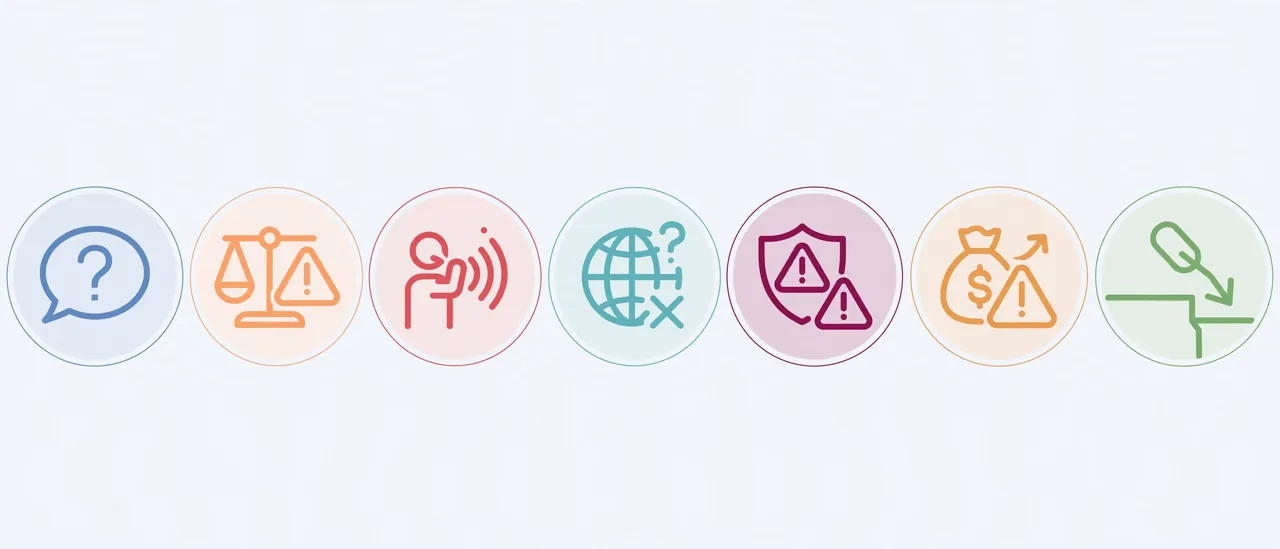
Even when store owners understand the value of a one-word domain, several common errors undercut the benefits.
- Choosing a word that’s too generic to trademark. Dictionary words with heavy prior commercial use across unrelated industries can create legal exposure and result in weak, easily diluted brand ownership.
- Prioritizing “cool” over pronounceability. If customers can’t say the name out loud confidently on a phone call or in a video review, word-of-mouth referral drops sharply, no matter how visually appealing the word looks in a logo.
- Ignoring international pronunciation and meaning. A word that sounds premium in English may carry an unfortunate or confusing meaning in another major market, which matters enormously for brands planning any kind of cross-border expansion.
- Skipping the domain history check. Previously penalized, spam-flagged, or adult-content-associated domains can carry negative SEO baggage even after a full rebrand and redesign.
- Underestimating acquisition cost versus long-term brand value. A one-word domain is a capital investment, not a marketing expense, and should be budgeted and negotiated accordingly rather than treated as a routine annual renewal fee.
- Rushing the migration without a redirect map. Moving fast without mapping every existing indexed URL to its new equivalent is one of the single biggest causes of avoidable ranking loss during a domain change.
Expert Tips for Migrating to a One-Word E-Commerce Domain
- Audit your existing backlink profile before migrating, so you know exactly what SEO equity needs to be preserved through 301 redirects, and which referring domains need to be notified of the change directly.
- Run a full 301 redirect map from every indexed URL on the old domain to its equivalent on the new one – never redirect everything to the homepage, since that approach reliably tanks both rankings and user experience.
- Update all off-site brand mentions – social profiles, marketplaces, supplier listings, and press mentions – as quickly as possible after launch, since inconsistent brand references confuse both shoppers and search engines during the transition window.
- Keep both domains registered for at least 12-24 months to protect against traffic leakage and typo-based competitor squatting on your previous name.
- Announce the migration to your email list and repeat customers directly, since returning customers are the most bounce-rate-sensitive segment during any domain change, and a clear heads-up prevents confusion or accidental distrust.
- Monitor Search Console daily for the first month after migration, watching specifically for crawl errors, redirect chains, and any sudden indexing drops that need immediate correction.
- Coordinate the switch with a broader naming strategy, especially if the business is part of a larger rebrand; our piece on startup naming strategy and why one-word names win covers how to align the domain choice with the rest of the brand system.
Step-by-Step Process for Acquiring a One-Word Domain
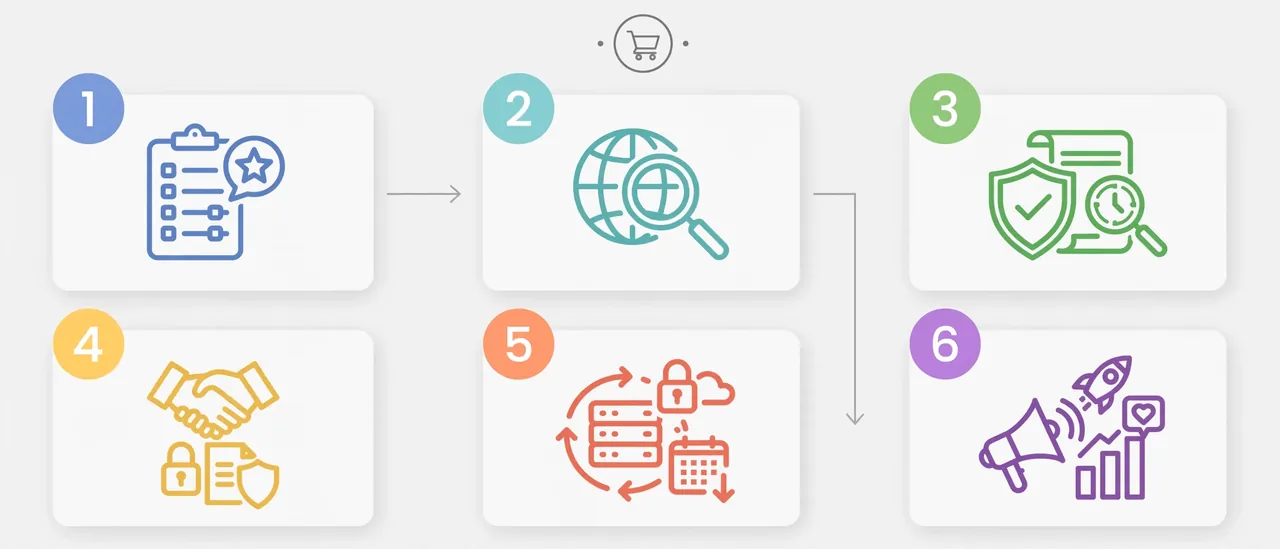
If you’re ready to move forward, the acquisition path typically looks like this:
- Define your brand-word criteria – length, tone, pronounceability, and category relevance, ideally documented before you start browsing available inventory so you aren’t swayed by whatever happens to be available first.
- Search available and aftermarket one-word .com options through a specialized marketplace rather than generic registrars, since most short, real-word .com domains are no longer available for direct registration and instead trade on the aftermarket.
- Verify trademark and domain history to avoid inheriting legal or SEO liabilities, including checking for prior use in unrelated but potentially conflicting industries.
- Negotiate and secure the domain through an escrow-backed transaction, which protects both buyer and seller and is standard practice for any transfer involving a meaningful sum of money.
- Plan the technical migration with your development team, including redirects, SSL certificates, and DNS propagation timing, ideally scheduled during a lower-traffic period for the business.
- Launch with a coordinated marketing push so search engines and customers register the change quickly, rather than letting the new domain sit quietly alongside the old one.
For a deeper breakdown of this exact workflow, see our full walkthrough on acquiring a one-word domain.
Domestic vs. International Considerations
Brands planning to sell beyond their home market should think carefully about how the same one-word name performs across ccTLDs and international audiences before finalizing a purchase. Our guide on global brand expansion and domain strategy for one-word .com domains versus ccTLDs walks through exactly how to weigh a single global .com against a portfolio of localized country-code domains.
How Much Is a One-Word Domain Worth to an E-Commerce Brand?
Valuation isn’t guesswork – it follows a fairly consistent framework based on word quality, extension, length, and category fit. Store owners evaluating whether the investment is justified should look at it the same way they’d look at prime retail real estate: location, in this case the extension and the word itself, drives long-term value far more than short-term acquisition cost.
Several factors typically move the needle most in a valuation:
- Word commonality: a widely recognized dictionary word generally commands a premium over an invented one, provided it isn’t overly generic.
- Length: shorter is almost always more valuable, with domains under six characters commanding disproportionately higher prices.
- Extension: .com remains the gold standard for e-commerce trust and typically carries a significant premium over alternative extensions.
- Category fit: a word that plausibly fits multiple industries tends to hold value better than one narrowly tied to a single, shrinking niche.
We’ve published a full breakdown of this exact valuation methodology in our professional domain valuation framework, which is worth reviewing before entering any negotiation so you can evaluate a fair offer with confidence.
What Exactly Qualifies as a “One-Word” Domain?
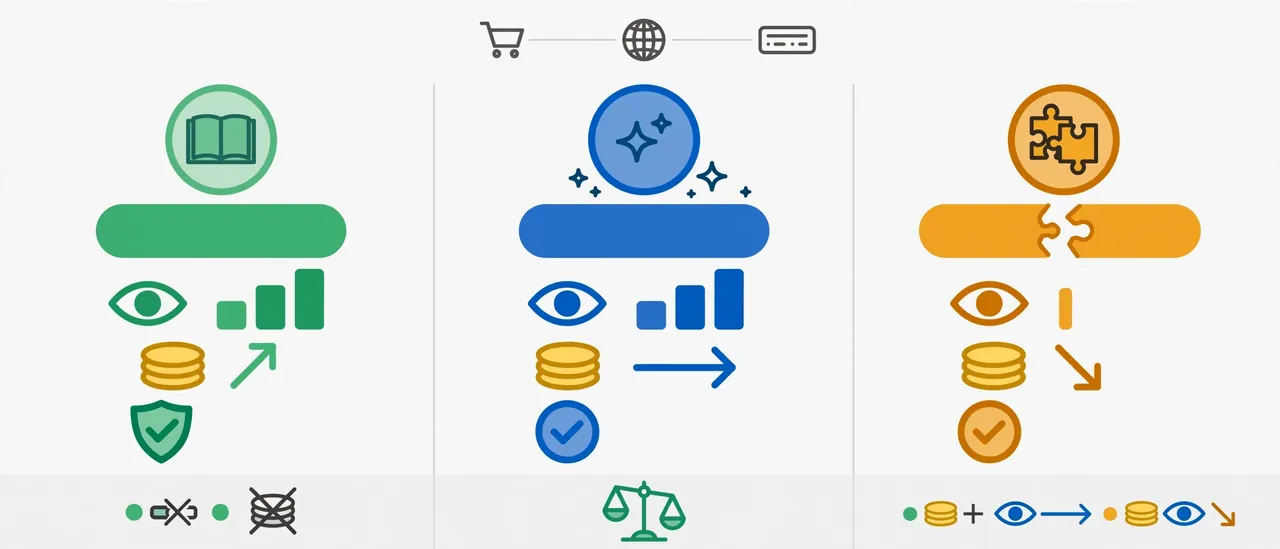
It’s worth pausing on definitions here, since not every short domain technically qualifies. A domain combining two shorter words into one string (like “shoprite”) is generally treated differently in the market than a genuine single dictionary or invented word, both in terms of shopper perception and resale value. Our detailed explainer on what exactly makes a domain one-word and why it matters breaks down these distinctions in depth, which is useful context before you start evaluating specific names.
Building Long-Term Brand Equity Beyond a Single Domain
A single strong domain is powerful, but many of the fastest-growing e-commerce brands eventually build out a small, deliberate portfolio – a primary one-word domain plus a few defensive or category-adjacent names registered to protect the brand from lookalike competitors and typo-squatters. If you’re thinking beyond your first acquisition, our guide on building a diversified one-word domain portfolio covers how to do this without overspending or diluting brand focus across too many names.
How This Aligns With Google’s E-E-A-T Guidelines
Google’s search quality guidelines place heavy emphasis on Experience, Expertise, Authoritativeness, and Trustworthiness, and a domain choice quietly touches all four, even though it isn’t a direct ranking factor on its own.
- Trustworthiness: a clean, professional, brandable domain reinforces every other trust signal on the site, from HTTPS to authorship transparency to clear return policies.
- Authoritativeness: brands that invest in a strong domain name tend to also invest in original photography, real customer reviews, and genuine editorial content, all of which reinforce authority signals search engines are increasingly built to detect.
- Experience: a memorable domain supports repeat visits and direct navigation, both of which are behavioral signals that a real, satisfied customer base exists behind the brand.
- Expertise: in categories like B2B services or specialized retail, a clean, professional domain sets the tone for the rest of the site to demonstrate genuine subject-matter expertise rather than reading as a generic dropshipping storefront.
None of this means a one-word domain replaces good content or genuine product quality. It means the domain removes a subtle, easily overlooked source of friction that would otherwise undercut everything else a store does well.
Real-World Patterns Across Successful E-Commerce Brands
Looking across category leaders in fashion, home goods, beauty, and consumer electronics, a clear pattern emerges: an outsized share of the direct-to-consumer brands that scaled fastest over the past decade did so on short, single-word, easily spoken domain names. This isn’t a coincidence limited to a handful of famous examples – it reflects a repeatable pattern in how modern shoppers discover, remember, and return to online stores.
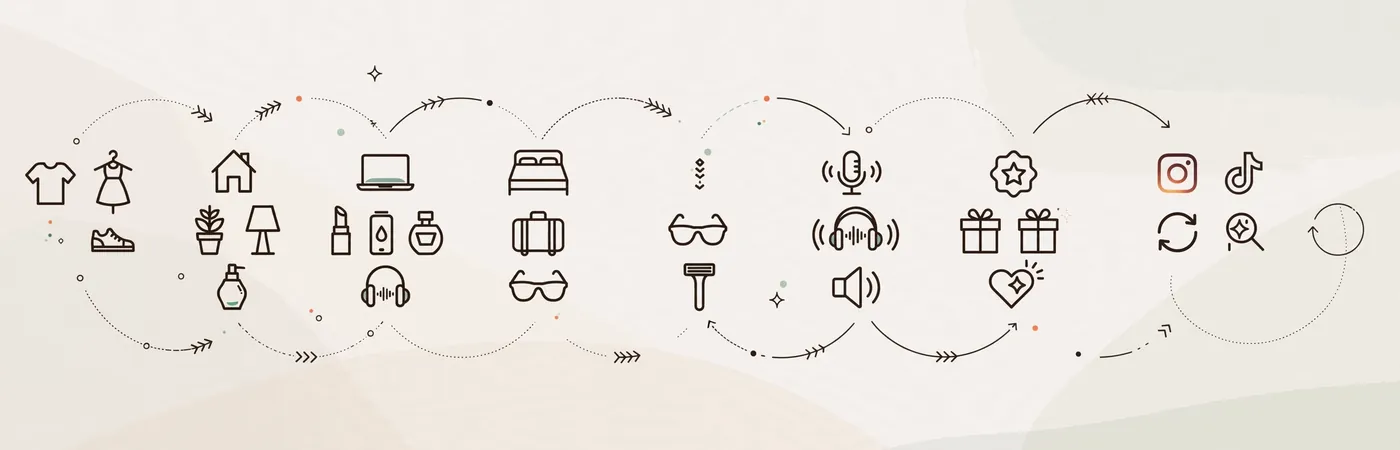
A few patterns worth noting:
- Category leaders skew short. Across mattresses, luggage, eyewear, and razors, the breakout direct-to-consumer brand in each category has typically operated on a short, ownable, single-word domain rather than a descriptive or hyphenated one.
- Podcast and audio advertising rewards pronounceability. Brands that scaled heavily through podcast ad reads specifically needed names listeners could recall and type correctly without seeing them written down, which naturally favored one-word names over longer alternatives.
- Social commerce rewards visual simplicity. On platforms like Instagram and TikTok, a domain appearing briefly in a caption or bio link needs to register instantly; longer or hyphenated domains simply don’t hold up under that kind of quick-scroll scrutiny.
Measuring the Real Impact After Migration
Once a store has migrated to a one-word domain, the results should show up across a specific, measurable set of metrics rather than remaining a matter of impression alone. It’s worth tracking these consistently for at least two full quarters before drawing conclusions, since domain migrations typically involve a short adjustment period while search engines and returning customers recalibrate.
| Metric | What to Watch For | Typical Timeline to Stabilize |
|---|---|---|
| Bounce rate | Gradual decline as brand recognition builds | 4-8 weeks |
| Average order value | Modest, steady increase tied to trust and positioning | 2-3 months |
| Direct traffic share | Increase as customers type or recall the domain directly | 3-6 months |
| Branded search volume | Rise in searches for the exact domain/brand name | 3-6 months |
Google’s own guidance on helpful, people-first content reinforces why this works: search systems increasingly reward genuine brand signals and user trust over mechanical, keyword-driven optimization, which is exactly the shift a one-word domain positions a store to benefit from.
Frequently Asked Questions
Does a one word domain for e-commerce store actually help SEO rankings?
A one-word domain doesn’t directly boost rankings through exact-match keyword bias, but it indirectly improves SEO performance through stronger click-through rates, lower bounce rates, and higher-quality backlinks earned through easier brand recall and sharing.
Is a one-word domain worth the higher upfront cost for a new store?
For most brands planning long-term growth, yes – the trust and conversion lift typically outweighs the acquisition cost over a multi-year horizon, especially compared to the recurring cost of paid traffic needed to compensate for a weak domain.
Will switching to a one-word domain hurt my current SEO rankings?
A properly executed migration with complete 301 redirects, updated sitemaps, and preserved content structure typically results in only a short-term ranking dip, with most sites recovering within a few months.
What extension should I choose besides .com for a one-word domain?
.com remains the strongest choice for e-commerce due to universal shopper trust; alternative extensions can work for regional brands but generally carry lower conversion confidence for international shoppers.
How do I check if a one-word domain has a clean history?
Review the domain’s archive history, backlink profile, and any prior Google penalties before purchase, ideally through a specialized domain marketplace that vets inventory before listing it for sale.
How long does it take to see the bounce rate and AOV benefits after migrating?
Most stores see measurable movement in bounce rate within four to eight weeks, with average order value and direct traffic improvements typically becoming clear over two to six months as brand recognition compounds.
Conclusion

A one word domain for e-commerce store isn’t a vanity purchase – it’s a conversion and branding asset that pays dividends across bounce rate, trust perception, and average order value for as long as the business operates under that name. Shoppers judge a store before the homepage even loads, and a short, brandable, trustworthy domain gives every subsequent marketing dollar a stronger foundation to build on.
If you’re ready to secure a premium, brandable one-word domain for your store, explore available one-word .com domains for sale and start the acquisition process with a name that will carry your brand for the long term.
Pingback: One Word Domain Category Performance: Top Sectors